


Start with Google's stated local factors
Google describes local results in terms of relevance, distance and prominence. A business can improve the accuracy and usefulness of its information, but cannot legitimately manufacture proximity or guarantee a particular position for every searcher.
Record the services actually offered, the verified contact details and the business's operating arrangements. Check that important website pages tell the same story as the profile.
Review the customer-facing foundations
| Area | Useful check | Avoid |
|---|---|---|
| Business information | Correct name, contact details and operating hours | Keyword additions that misrepresent the business |
| Services | Clear descriptions of work actually offered | Unrelated categories or unsupported claims |
| Locations | Accurate office and service-area distinctions | Invented branches |
| Reviews | A legitimate feedback process and appropriate responses | Manufactured reviews or promises of removal |
| Website | Useful service and coverage pages | Near-identical city pages without local substance |
Use local SEO services and the local SEO guide to organise the review.
Make local pages useful
A hypothetical repair business may serve an area without having an office there. Its page can explain genuine coverage, appointment arrangements and service limitations without pretending to be based locally.
A real branch page can provide directions, access details and services available at that location. Verify those facts before publication. The multi-location guide helps separate shared and branch-specific information.
Measure the appropriate outcomes
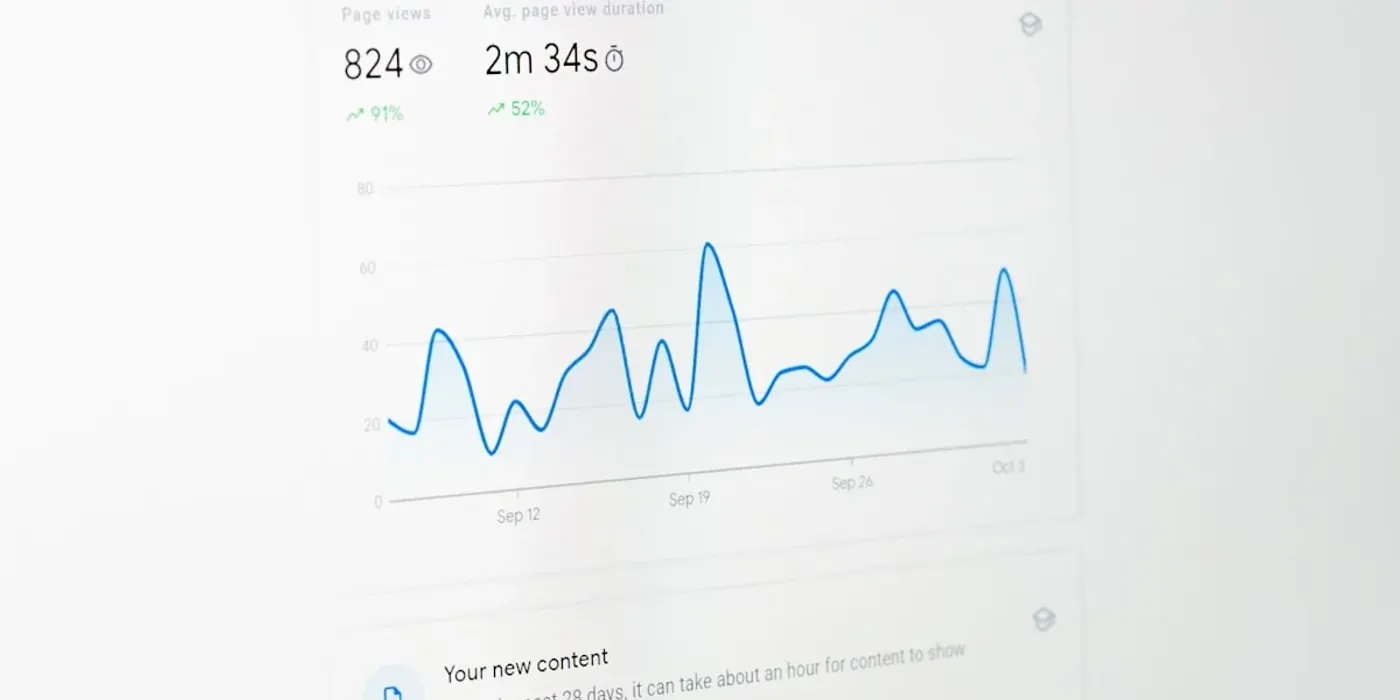
Review relevant search visibility, profile interactions, website enquiries and the quality of those enquiries. A direction request is not proof of a visit, and a call click is not proof of a completed sale.
For Business Profile optimisation, keep a dated change log so performance can be interpreted alongside operational changes and local competition.
FAQ
Does posting frequently guarantee better Maps rankings?
No. Posts can communicate useful information, but a publishing schedule should not be presented as a guaranteed ranking mechanism. Prioritise accurate information and relevant customer needs.
Should we create a page for every nearby suburb?
Only when the page has a genuine purpose and distinct useful information. Repeating the same text with different place names does not establish local usefulness.
Can we claim an office in every area we serve?
No. Describe the actual service arrangement. A coverage area and a physical customer-facing location are different facts and should not be presented interchangeably.
If your business's local information has become inconsistent, get in touch with the affected profiles and website pages.