
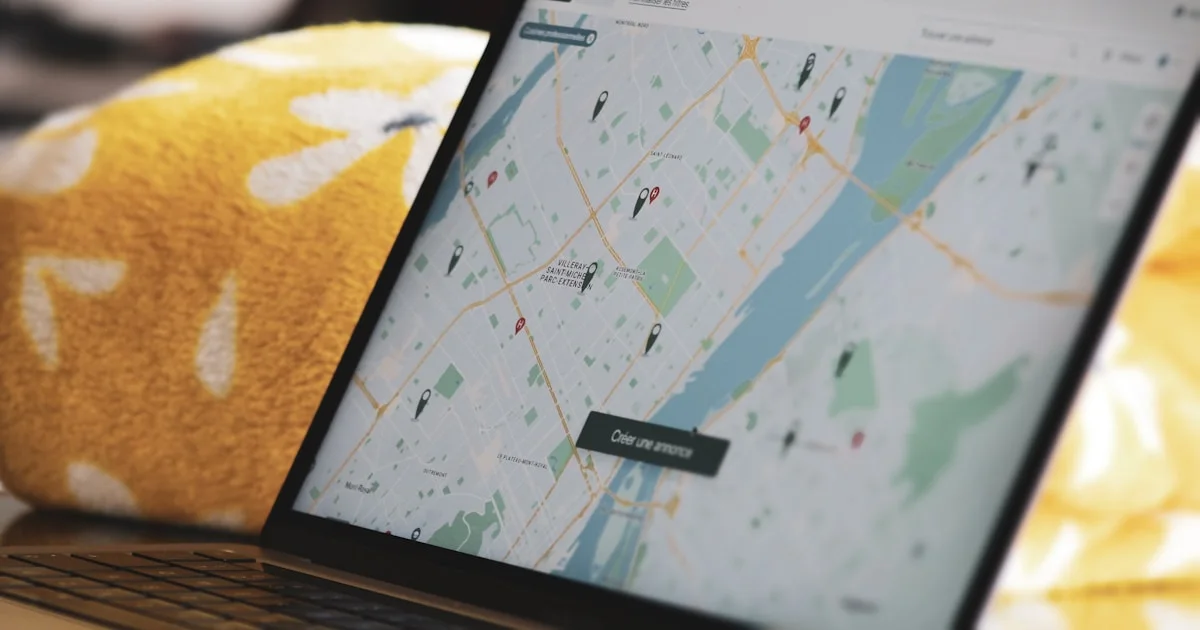

If your business is not showing up on Google Maps, the issue is usually not random. Google is either uncertain about your relevance, unsure about your trust signals, or unconvinced that your business really deserves visibility in that service area.
That is why the fix is rarely one quick tweak. Most businesses need stronger local SEO support, better digital marketing foundations, and a cleaner relationship between their Business Profile, their landing pages, and their reviews. The technical basics in Google Maps SEO and the recovery mindset behind algorithm recovery matter more than shortcuts.
The most common reason businesses vanish from Google Maps
Google Maps results are built on confidence. Google wants to know:
- what you do
- where you operate
- whether the business is legitimate
- whether people engage with the listing
When one of those signals is weak, rankings become unstable. The official Business Profile policies make that clear. If your category is vague, your address data is inconsistent, or your listing looks inactive, Google has less reason to show you.
Your profile can be live and still be weak
Many owners assume that once the profile is verified, the job is done. That is usually where the problem starts.
A weak profile often has:
- the wrong primary category
- incomplete service descriptions
- thin photo coverage
- an outdated service area
- very few recent reviews
It can also happen when the listing name, phone number, and business details vary across the web. That weakens local trust and makes it harder for Google to connect the listing with the right search intent. If you are struggling with that, start by auditing the profile before touching anything else.
Your website still shapes map pack performance
Google Maps is not isolated from your site. Your website helps Google confirm whether your listing deserves local visibility.
That means your site should clearly support:
- the services you provide
- the areas you serve
- the way people contact you
- the trust signals behind the business
This is where strong local SEO, better digital marketing pages, a focused Google Maps SEO resource, and a clear Google Maps SEO glossary entry all help the same outcome. If the site is thin, generic, or mismatched to the listing, the profile usually performs worse.
Reviews and activity still matter
Review quality, volume, and recency still influence visibility because they influence trust.
The businesses that usually recover faster do a few basic things consistently:
- ask for reviews after real jobs
- respond to every review
- upload fresh photos
- keep hours and service details current
- link the profile to the right pages
Review growth does not replace site quality, but it helps Google see that the business is active and credible. That is part of why Maps visibility often improves when profile work and website work happen together.
A practical recovery checklist
If your website has disappeared from local visibility, work through this order:
- confirm the correct primary and secondary categories
- clean up the service area, hours, and phone details
- check whether the site has location-aware service pages
- improve internal links to the main local offer pages
- restart review collection and reply discipline
If your business has been spinning its wheels for months, this is where working with the right team matters. A measured cleanup usually beats reactive changes made every few days.
What Google Maps recovery usually looks like in practice
Recovery usually happens in layers. First the profile becomes more reliable. Then the website begins supporting the service area more clearly. After that, review freshness and local trust start compounding.
For most businesses, the recovery sequence looks like this:
- fix category and service-area mistakes
- update the website links and local landing pages
- improve review collection and response discipline
- monitor ranking movement in the actual service suburbs or towns
That is why businesses that expect a one-day turnaround often feel frustrated. Google needs to see cleaner signals, then it needs repeated evidence that the business is active and relevant.
What not to do when rankings drop
The most common bad reaction is to keep changing the profile every few days.
That often makes things worse because the business stops giving Google a stable version of the truth to trust. Avoid:
- stuffing the business name with keywords
- creating extra listings for the same business
- changing categories constantly without a clear reason
- pointing the listing to weak or generic pages
A steadier approach works better. Fix the obvious weaknesses, document the changes, and give the listing time to settle while the site and review profile improve around it.
How citations and service areas create mixed signals
Google Maps visibility weakens quickly when the business says one thing in the profile and something slightly different on the site or across directory listings. Even small inconsistencies can muddy local trust.
Common examples include:
- one phone number on the profile and another on an old directory
- a service area that no longer matches the real operating footprint
- suburb pages on the site that do not match the listing setup
- category language that promises services the website barely explains
Those mixed signals do not usually trigger a visible penalty. More often they just make the business less competitive than it should be. That is why local cleanup often starts with consistency before it moves to bigger optimisation work.
What a 30-day cleanup plan looks like
Most local service businesses do better with a measured 30-day reset than with constant profile tinkering.
Week one should focus on the profile itself: categories, service areas, photos, opening hours, and basic business details. Week two should focus on the website: strengthen the local landing pages, tighten internal links, and make sure the core services are clearly described. Week three should focus on citations and reviews. Week four should focus on observation, not panic changes.
This creates a cleaner baseline. It also helps the business see whether the real problem was trust, relevance, or weak site support instead of throwing ten changes at the listing and learning nothing.
Confirm categories, service areas, local pages, citation consistency, review requests, and profile activity before making more reactive profile edits.
When the issue is competition rather than setup
Sometimes the profile is not broken. It is simply being outperformed by better local competitors.
In that case, the business usually needs:
- stronger review velocity
- more specific service pages
- better local proof and before-after evidence
- fresher photos and listing activity
That is why local SEO recovery should include a competitor view. If the top three map results are doing a much better job of proving local relevance, your recovery plan has to close that gap rather than only fixing basic setup.
How service-area businesses should support Maps with their websites
Service-area businesses often struggle because the profile setup is only half the story. The website still needs to help Google understand what the business does and where it can realistically help people.
That usually means:
- clear service pages for the main commercial offers
- location-aware sections where they are genuinely useful
- visible proof from real jobs or customers
- contact and service-area details that match the profile
If the site stays generic, the Maps listing has less support than it should. That is one reason a business can look verified but still perform weakly.
What evidence makes a local business easier to trust
Google does not see trust the way a human does, but it does react to the signals that usually correlate with real businesses.
Those signals include:
- consistent business details
- recent reviews and replies
- realistic service descriptions
- photos that show current activity
- a website that explains the offer clearly
Local visibility gets stronger when those signals reinforce each other. It gets weaker when they feel disconnected or outdated. That is why steady maintenance usually beats sudden bursts of optimisation.
How I would compare the options
For Why Your Local Service Business Is Not Showing Up on Google Maps in 2026, I would keep the comparison practical. The strongest option is usually the one that improves the local search decision, gives the team clearer evidence, and reduces the risk of chasing visibility while the local proof and enquiry path still feel thin.
| What I would compare | What I would look for | Why it matters |
|---|---|---|
| Buyer intent | Does the page answer the question a serious prospect is actually asking about why your local service business is not showing up on google maps in 2026? | Matching intent makes the content useful before it tries to sell anything. |
| Proof | Are there examples, source references, service links, or visible experience behind the recommendation? | Specific proof helps the reader trust the advice and compare it with other options. |
| Next step | Does the article connect naturally to local SEO or another relevant service path? | The post should help a qualified reader move from research to a sensible action. |
FAQ
Can Google Maps rankings drop even when nothing changed on my profile?
Yes. Competitors can improve, review activity can slow down, or your site can become less convincing for the local intent Google is trying to satisfy.
Do I need a physical address to rank?
It depends on the business model. Service-area businesses can still rank, but the profile setup and website support have to be very clear and consistent.
How long does a Maps recovery take?
Some fixes show movement within a few weeks. More competitive local markets often take longer because review trust, page quality, and citation cleanup need time to compound.
If your business needs a proper Maps recovery plan, get in touch and we can help you tighten the listing, the site, and the local search signals together.