
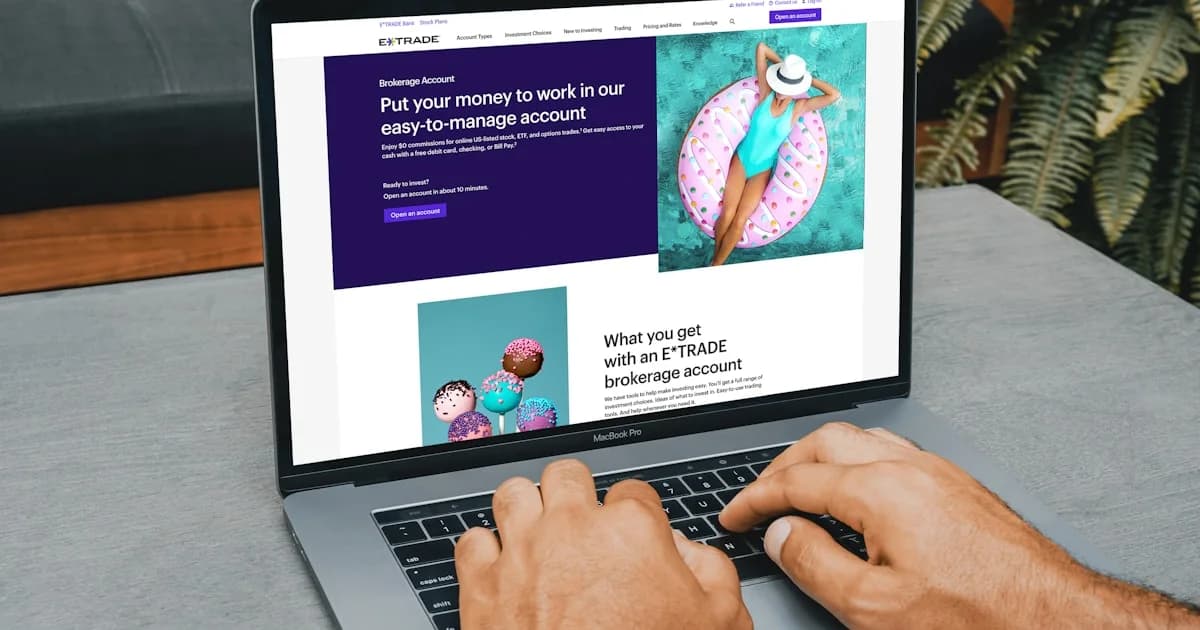

The homepage shapes the first commercial decision
An ecommerce homepage usually does not close the sale on its own.
That does not make it unimportant.
Its job is to help the shopper answer a simple first question:
Where should I go next?
That is why the homepage affects conversion more than some teams expect.
It frames:
- what the store sells
- which categories matter most
- whether the brand feels trustworthy
- how easy discovery feels
- whether mobile browsing feels manageable
This is why homepage design should be reviewed alongside the broader ecommerce route, the more platform-specific Shopify web design path, and the WooCommerce web design context when the store lives inside WordPress.
The homepage should guide, not overload
Many ecommerce homepages lose momentum because they try to do every job at once.
They try to:
- explain the brand
- promote every product line
- push every sale
- show every trust badge
- teach the full product catalog
- drive every audience into one long scroll
That usually creates friction.
The homepage does not need to answer every buying question.
It needs to reduce uncertainty and point the shopper toward the most useful next step.
That may be:
- a collection page
- a featured category
- a campaign landing page
- a bestseller set
- a product finder path
If your business keeps redesigning the homepage without improving how people enter the store, the real issue may be structure rather than aesthetics.
Category clarity changes conversion earlier than most teams expect
Google's SEO Starter Guide recommends a logical hierarchy because clear structure helps both users and search systems understand the website Source: Google Search Central.
That matters on ecommerce homepages because the shopper often uses the first screen to understand:
- how the store is organized
- which product group matches their intent
- whether the product range feels coherent
If the homepage sends buyers into vague or overlapping categories, conversion suffers long before the product page gets a chance to help.
This is why information architecture matters so much on store homepages. A homepage that introduces the wrong category logic usually creates hesitation immediately.
Trust should appear before the shopper has to ask for it
Some homepages wait too long to prove the store is credible.
That can show up as:
- no visible delivery clarity
- weak returns reassurance
- vague value propositions
- little proof of legitimacy
- no signal of what happens after purchase
Trust does not need to take over the page.
It does need to appear early enough that the shopper feels safe moving deeper into the store.
This is especially important for first-time visitors who do not know the brand yet.
For them, the homepage often shapes the first emotional decision:
Is this store worth exploring?
Mobile homepage friction can quietly weaken the whole store
Many stores look fine on desktop and still lose momentum on a phone.
That usually happens when the homepage becomes:
- too visually heavy
- too dependent on large hero media
- too long before the first real action
- too crowded with competing panels
- too unstable while the page loads
Core Web Vitals are still Google's user-centered measures for loading, responsiveness, and visual stability Source: web.dev.
That matters because the same instability that hurts performance also hurts confidence. A mobile shopper who sees shifting layouts, delayed actions, or crowded sections is less likely to trust the store enough to keep moving.
This is why Core Web Vitals and HTTPS and security should be treated as part of conversion design, not only as technical housekeeping.
The homepage still needs to support real search intent
Not every visitor arrives ready to buy the same thing.
Some are browsing broadly.
Some are looking for a specific product type.
Some want reassurance before they commit to exploring further.
That is why the homepage should support real search intent through:
- clearer category entry points
- useful promotional priorities
- better product-group framing
- faster access to the most relevant next step
If the homepage treats every visitor the same, it usually creates too much decision work too early.
A practical homepage review table
| Area | Weak sign | Stronger sign |
|---|---|---|
| First impression | The store feels busy but unclear | The visitor understands what the store sells quickly |
| Category entry | Navigation and homepage panels compete | The path into the right collection feels obvious |
| Trust | Reassurance is delayed or generic | Delivery, legitimacy, and support are visible early |
| Promotions | Every offer fights for attention | The page emphasizes a small number of priorities |
| Mobile UX | The page is heavy and crowded on phones | The next action remains easy to find and use |
| Discovery flow | The homepage acts like a final sales page | The homepage hands the shopper to the right next page cleanly |
What a stronger ecommerce homepage usually does
A stronger homepage usually:
- introduces the store's main categories clearly
- highlights a small number of commercial priorities
- provides just enough trust to keep the shopper moving
- avoids unnecessary visual clutter
- works cleanly on mobile
- supports the rest of the store instead of competing with it
That means the homepage should usually be judged by how well it feeds:
- collection pages
- product pages
- campaign pages
- repeat-buyer behavior
If the homepage tries to carry every message, it often slows conversion instead of supporting it.
When the homepage matters more and when it matters less
The homepage matters more when:
- the store has several major categories
- the brand is less familiar
- the business depends on first-time buyers
- campaigns drive broader traffic into the store
It matters slightly less when:
- most visitors land directly on product or collection pages
- the store serves repeat buyers who already know where to go
Even then, the homepage still affects trust and orientation.
It is just not doing the entire commercial job on its own.
FAQs
Does the homepage matter more than the product page?
Usually not. Product and collection pages often do more of the direct selling. But the homepage still matters because it shapes discovery, confidence, and the first decision about where to go next.
Should an ecommerce homepage be long or short?
Neither length on its own is the point. The homepage should be as long as it needs to be to guide discovery and create trust, without forcing the shopper through unnecessary sections before they can act.
What is the biggest homepage mistake?
For many stores, it is trying to do too much at once. That makes the store feel busy instead of helpful, which slows the shopper before the real buying pages can work.
The homepage should make the rest of the store easier to buy from
A strong ecommerce homepage does not try to be the whole store.
It helps the shopper make the first good decision quickly and confidently.
If you want help reviewing whether your store homepage is improving or weakening conversion, book a strategy call or contact us and we can map the friction properly.