


Why this choice matters more than most businesses expect
Many South African businesses frame this as a pricing question.
It is not only a pricing question.
It is a delivery-model decision that affects:
- how clearly the website is scoped
- how much strategic input the project gets
- how smoothly the build moves
- how well the site supports SEO and conversion later
That is why the right answer changes from one business to the next.
A solo consultant launching a simple five-page site does not need the same setup as a growing company with multiple services, paid traffic, and a stronger lead-generation target.

What a freelancer usually does well
A strong freelancer can be a very good fit when the project is simple enough for one person to own comfortably.
That often works well when:
- the site is relatively small
- the business already knows what it wants
- content is mostly ready
- the feedback loop is short
- the launch timeline is fairly direct
Freelancers also tend to be attractive when the business wants a more direct working relationship and fewer layers between decision and execution.
Where freelancer-led projects usually get harder
The challenge is not talent.
The challenge is capacity and range.
One person may be covering:
- project planning
- UX thinking
- design
- development
- QA
- launch support
Some freelancers can handle that well. Many can handle it only up to a point.
The risk usually appears when the project needs stronger thinking across several areas at once, especially when SEO, content flow, forms, analytics, or future campaign support all matter.
If your business is reviewing website design south africa, I would use this article as a practical pause point: check the current page, compare it with the real buyer question, and then decide whether the next move belongs in content, web design, or a clearer conversion path.
What a web design agency usually does better
An agency usually becomes more useful when the website is a more serious commercial asset.
That is often the case when the site needs:
- better discovery and planning
- stronger page structure
- a clearer conversion path
- technical SEO awareness
- more disciplined QA
- post-launch support with less fragility
The real value of an agency is usually not that "more people touch the project." It is that the project is less dependent on one person's bandwidth and blind spots.
For broader commercial context, compare this with our web design service in South Africa.
The four questions that should decide it
1. How important is the website to growth?
If the website is mostly a credibility placeholder, a smaller model can work.
If the website is expected to support SEO, Google Ads, landing pages, or higher-ticket enquiries, the cost of weak strategy goes up fast. That usually pushes the decision toward a stronger team setup.
2. How complex is the scope?
Complexity shows up in places businesses often underestimate:
- multiple services
- multiple audiences
- content planning
- lead routing
- CMS structure
- integrations
The more of those are in play, the more helpful an agency process becomes.
3. How ready is the business internally?
Some businesses already have:
- clear messaging
- ready content
- strong brand direction
- fast decision-makers
Those businesses can work well with a freelancer because they bring clarity into the project.
Businesses that are still figuring things out usually benefit from a provider that can add more structure, not only execution.
4. What support is needed after launch?
This is one of the most overlooked parts of the decision.
If the site will need:
- iterative improvements
- landing pages
- technical fixes
- new content sections
- ongoing performance work
then the support model matters almost as much as the initial build.
This is also where the web design retainer vs once off project question starts to matter, because support expectations can reshape the real cost of the relationship.
What agencies and freelancers often price differently
This is where many comparisons become misleading.
Two quotes can look far apart while actually covering very different work.
| Area | Freelancer quote may assume | Agency quote may include |
|---|---|---|
| Content | You provide most of it | Guidance or structure support |
| Design | Leaner customisation | Deeper UX and visual system work |
| SEO | Basic implementation only | Better technical and structural thinking |
| Process | Direct but lighter workflow | Discovery, QA, and launch discipline |
| Support | Limited follow-through | Clearer post-launch options |
That is why a cheaper quote is not necessarily better value. It may simply contain less decision support.

When a freelancer is usually the better choice
A freelancer is often the better choice when:
- the website is straightforward
- the business moves quickly
- budget discipline matters more than strategic depth
- internal content and direction are already strong
- there is no heavy integration or growth stack planned yet
That can be a smart decision, not a compromise.
The key is being honest about the scope.
When an agency is usually the better choice
An agency is often the better choice when:
- the website needs to become a lead-generation asset
- the business has several service lines
- the content and structure still need work
- paid traffic or SEO will matter soon
- the team wants a smoother process with less dependence on one person
If that sounds like your project, compare this article with website design costs in South Africa and the package trade-offs in affordable website design packages in South Africa.
The same scope-first logic helps when you compare website design companies in Johannesburg instead of judging providers only on surface-level design polish.
If you are already narrowing local options, compare web design agencies in Pretoria only after you shortlist web design companies in Pretoria with the same criteria.
What the smartest South African businesses compare
The strongest decision usually comes from comparing:
- scope clarity
- strategic depth
- technical confidence
- post-launch support
- working style fit
If you compare only price and portfolio screenshots, you usually miss the most important differences.
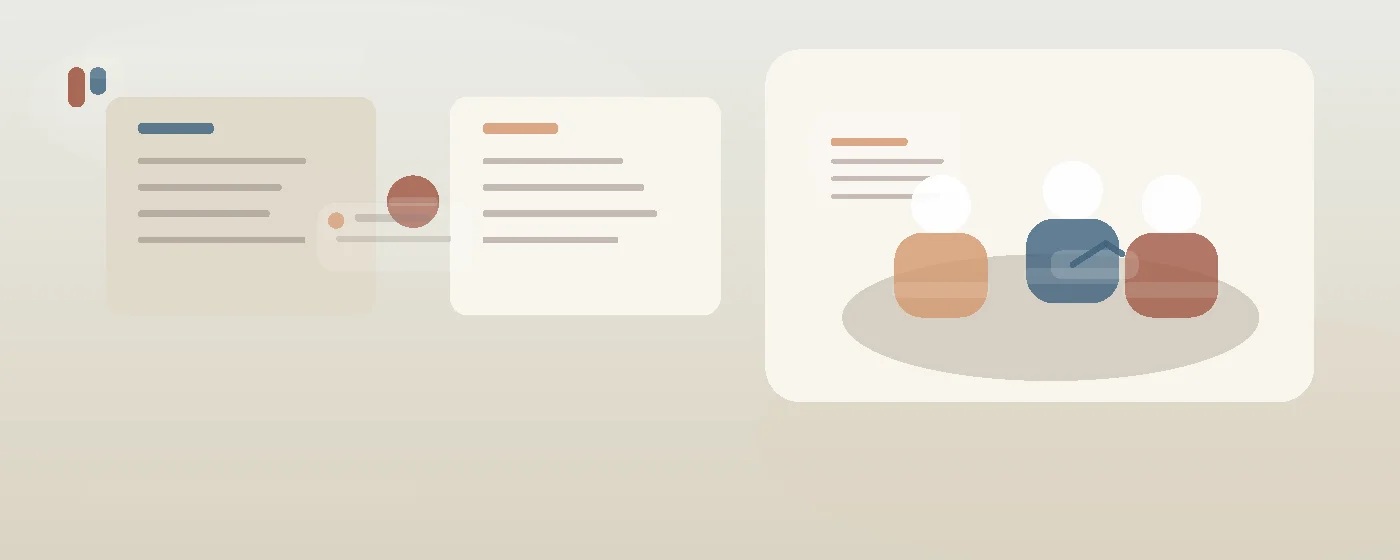
A simple way to decide
Use this quick rule:
- choose the freelancer when the project is lean, well-defined, and unlikely to outgrow a simpler delivery model
- choose the agency when the site needs more structure, more collaboration, or stronger long-term commercial foundations
That framework works better than asking which option is "best" in general.
The better option is the one that matches the real weight of the website.
What the wrong choice usually feels like
The wrong choice often reveals itself early.
With the wrong freelancer fit, the project may feel too dependent on one person, too vague around process, or too light on deeper strategy.
With the wrong agency fit, the project may feel slow, overcomplicated, or too expensive for what is actually a simple build.
That is why fit matters more than label.
If you want a clearer plan for website design south africa, get in touch or book a strategy call. I can review the current page, the search intent behind it, and the most useful next step across web design, content, and conversion.
Related reading
- Website Design Company for South African Businesses
- Social Media Content Calendar: Planning Content Without Chaos
- What Is Social Media Optimisation? A Practical Definition
- Google Ads
FAQs
Is a freelancer usually cheaper than an agency in South Africa?
Usually, yes, but not necessarily in the way businesses expect. A freelancer may cost less upfront because the project carries fewer layers and often less strategic support. The better question is whether the lower-cost model still gives the business enough clarity, quality, and follow-through for what the website needs to do.
When should a business avoid choosing a freelancer?
Usually when the website has multiple stakeholders, more complex structure, important SEO or conversion requirements, or a strong need for ongoing support. In those cases, the project often benefits from a more stable team setup and a clearer process than a single-person model can comfortably provide.
When should a business avoid choosing an agency?
Usually when the project is lean, the business already has clarity, and the added process of an agency would create more cost than value. Some builds do not need a multi-person delivery model. The key is not to overbuy complexity when a simpler route would work well.